
Define the decision
Write down the question, the action the study will inform, and the result that would change it.
Research Approach
BIODIRECTIVE defines the decision, designs a fair comparison, and reports findings with their limits. The practices below guide study planning, evaluation and technical reporting. They are not a certification, regulatory approval, product endorsement or substitute for legal review.
Write down the question, the action the study will inform, and the result that would change it.
Specify treatments, controls, experimental units, and replication before starting.
See Section 4 of the published study for an exampleDocument the organism, facility, inputs, timing, and deviations needed to interpret the result.
Set the endpoints and sampling schedule around the decision. Record missing or unusable observations.
Distinguish observed responses from plausible explanations, untested conditions, and commercial assumptions.
Give the reader the methods, findings, and limits needed to decide whether to adopt, revise, retest, or stop.
See example deliverables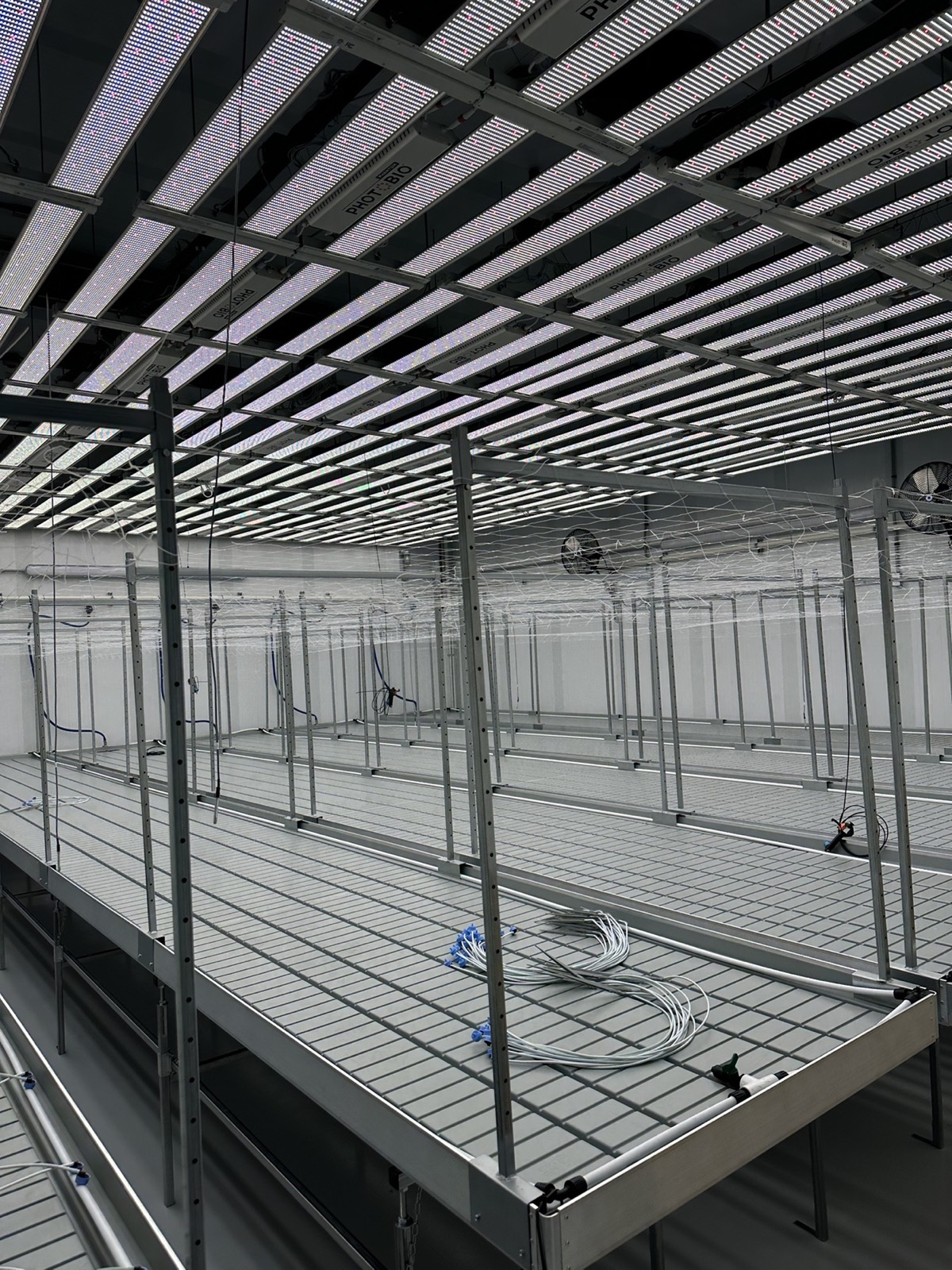
Facility Standard
Facility architecture, lighting, irrigation, airflow, working access, sanitation, and operational constraints shape what biological evidence can mean. A stronger standard starts by defining the real environment around the claim.
Using the findings
Findings may support adoption, further testing, a revised approach or stopping work. The report should make clear what was observed, what remains uncertain and which next step the evidence supports.
Advisory Review
The BIODIRECTIVE advisory board is being built as an expert review layer for work that benefits from deeper plant science, controlled-environment systems, botanical interpretation, crop physiology, health-context boundaries, data review, or commercial translation.
Advisory input is applied carefully and project-specifically. It strengthens the work without implying institutional endorsement, product approval, certification, or replacement of formal regulatory, clinical, legal, label, or compliance review.
View the advisory boardUse the Framework