
Clarify the biological context, decision stakes, likely bottlenecks, and highest-value next measurements.
BIODIRECTIVE
Cultivating Standards of Excellence
Research, Evaluation & Cultivation Advisory
Evidence-grade decisions for living systems.
BIODIRECTIVE evaluates Biological Systems and AgTech, advises cultivation operations, and designs crop-agnostic custom trials across controlled environments. Work spans validation and optimization through technical reports, white papers, and publication-oriented research.
Independent evidence layer Third-party, vendor-neutral evaluation; Cornell-trained leadership; multi-university affiliations
Expert advisory layer Growing multidisciplinary board; project-matched review
Technical outputs Confidential protocols, reports, evidence packages, and claim boundaries; publication-oriented manuscripts when warranted
Customize the setup, facility type, genetics, crop, scale, replication, duration, measurements, documentation, and claim boundaries before spend.
Separate biological, environmental, nutritional, technological, and operational factors before changing the system.
Turn trials, records, observations, or internal data into a technical report, white paper, buyer summary, or publication pathway.
Engagement Pathways
Match the work to the decision.
Question: What performance claim can be defended?
Output: Evaluation framework, controls, measurements, and evidence-based claim boundaries.
Question: What is limiting crop performance?
Output: Diagnosis of biological, environmental, nutritional, pest, labor, and system factors.
Question: What should the evidence support?
Output: Protocol, report, publication path, investor summary, or claim-boundary memo.
What You Get
Concrete outputs, not vague research.
The work ends in a defined deliverable that connects the question, evidence, limitations, and next decision.
Protocol before spend.
Treatments, controls, site fit, measurements, crop stage, schedule, failure criteria, and documentation standards before resources go into the wrong comparison.
Findings leaders can use.
Structured methods, results, limitations, interpretation, next-study requirements, and decision guidance written for commercial and technical readers.
Private proof organized clearly.
Protected summaries that connect the question, context, data quality, supported findings, unresolved variables, and action options.
Commercial clarity without hype.
Approved language for product education, sales conversations, partner review, or investor diligence without exposing protected client work.
AgTech Evaluation
Evaluate performance under real conditions.
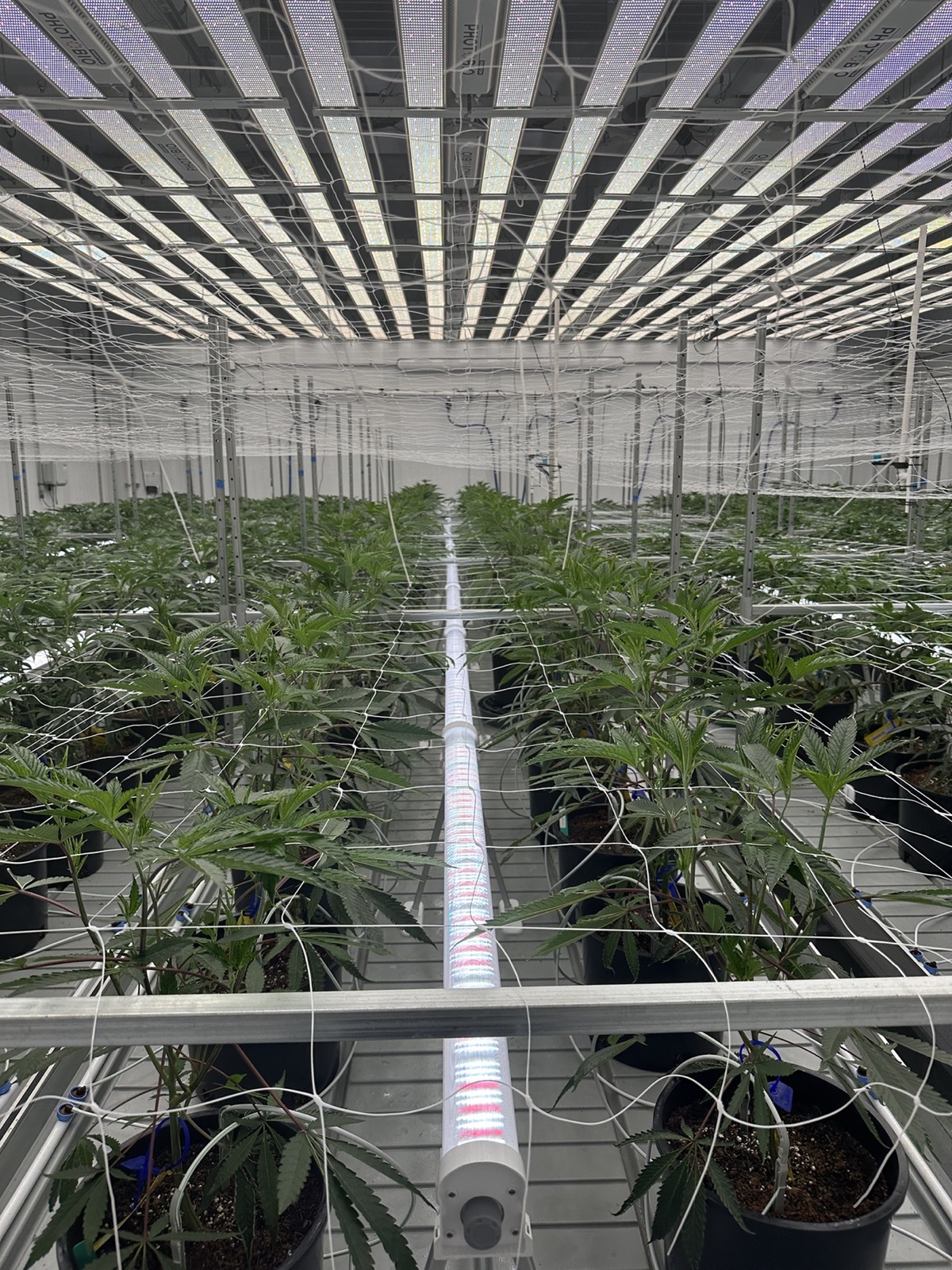
For AgTech companies developing sensors, lighting, substrates, nutrients, biostimulants, IPM tools, crop-protection products, controls, software, or cultivation technologies, BIODIRECTIVE designs vendor-neutral pilots and full crop-cycle studies around the client’s question, product, crop, facility, and decision. Evaluation is the umbrella process; validation is a study objective used only when the design, data quality, and evidence strength support it. The crop-agnostic approach can operate across greenhouses, growth chambers, commercial indoor rooms, and vertical farms while keeping relationships, work products, and operational details confidential.
Editor's Choice - Peer-Reviewed Foundation
Work that withstands review.
Founder research published in MDPI Plants and selected as an Editor's Choice article evaluated Cannabis sativa propagation across soilless and aeroponic systems, including transplant timing, spray intervals, nutrient concentration, rooting, and controlled-environment performance. DOI: 10.3390/plants13091256.
View the research evidenceThe thesis
Biology is moving faster than standards.
New products, inputs, sensors, cultivation systems, and production models are entering the market faster than the evidence frameworks used to evaluate them.
BIODIRECTIVE closes that gap by turning biological variability into structured questions, measurable response, and practical standards for action.
Performance Signal
Measurements matter when they change action.
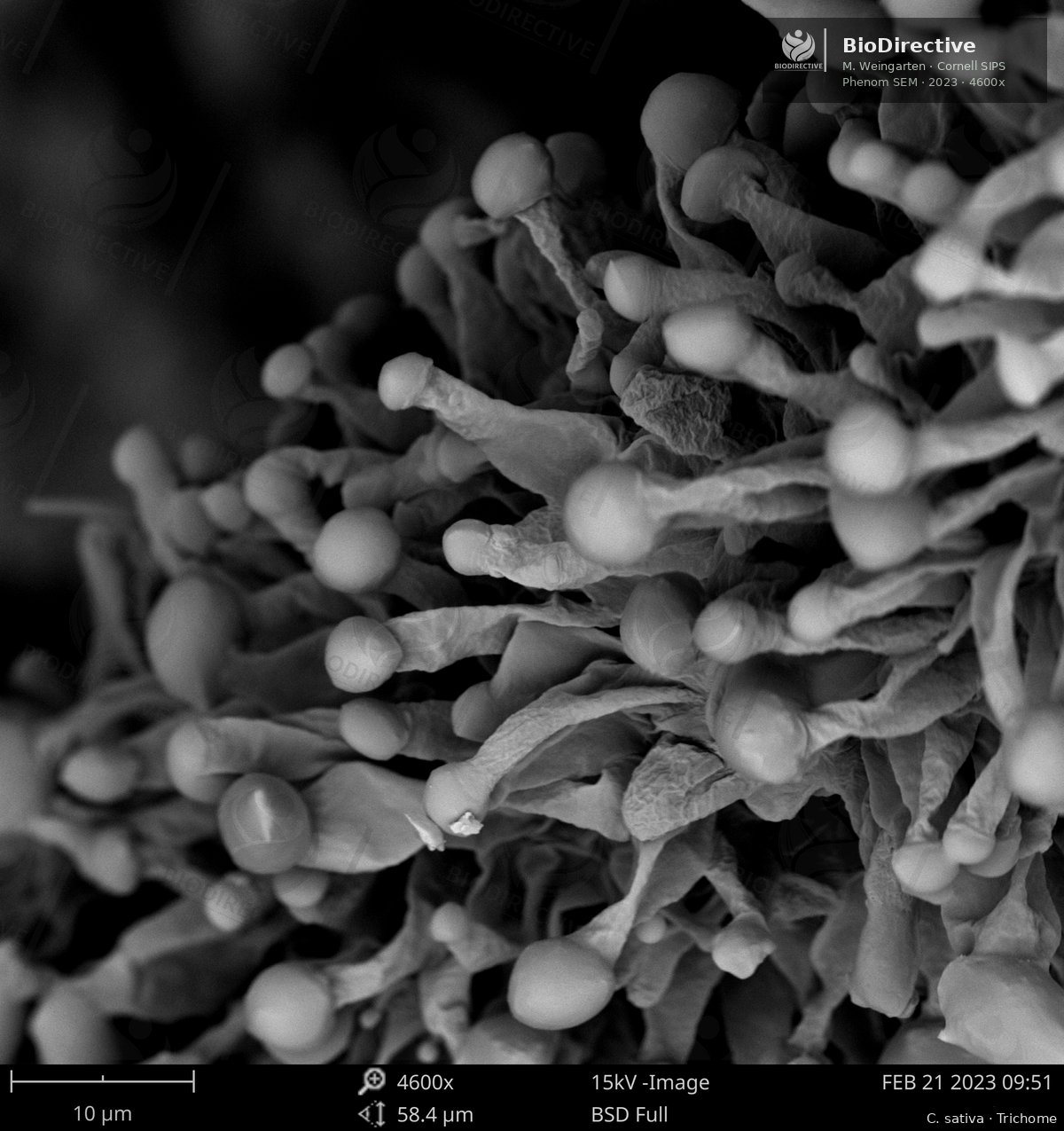
BIODIRECTIVE links growth, environment, inputs, and timing into interpretable performance curves so teams can distinguish noise from response and response from recommendation.
Advisory Board
Scientific depth should match the work.
BIODIRECTIVE's growing advisory board adds project-matched depth across plant science, CEA, crop physiology, greenhouse development, facility systems, technical review, and specialized health context where relevant.
Independence comes from an evidence-first, vendor-neutral approach: conclusions follow the data, claims stay within the evidence, and product favoritism has no place in the work. The aim is to help raise the standards applied across emerging biological industries.
Meet the advisory boardContact