Credible third-party evaluation depends on research design, data quality, interpretation, and communication. BIODIRECTIVE carries that evidence from custom trial protocols through technical reports, white papers, and publication-oriented research when the findings support it.
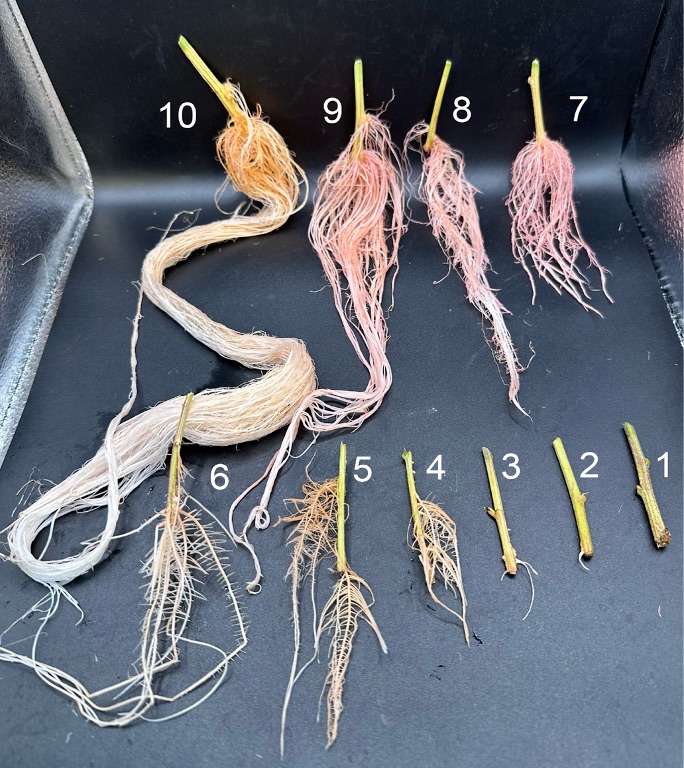
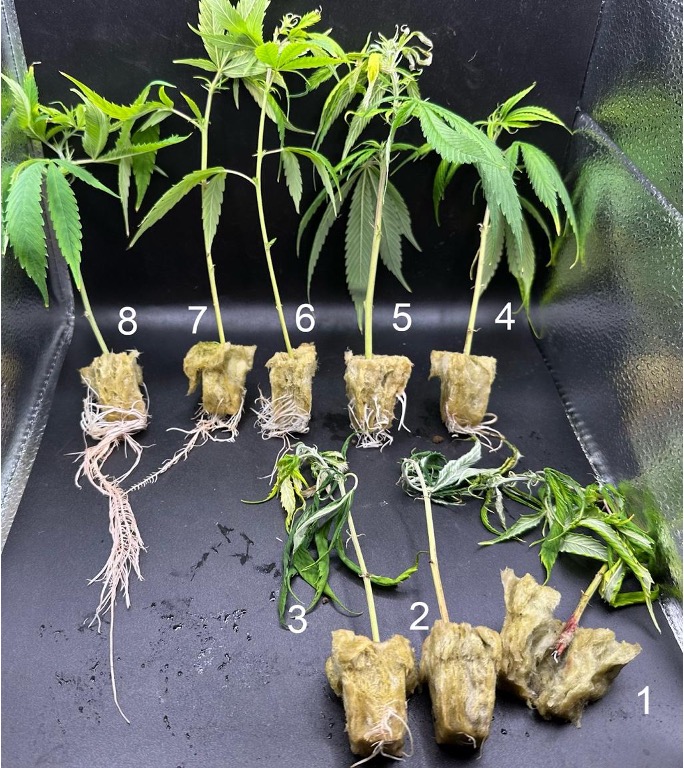
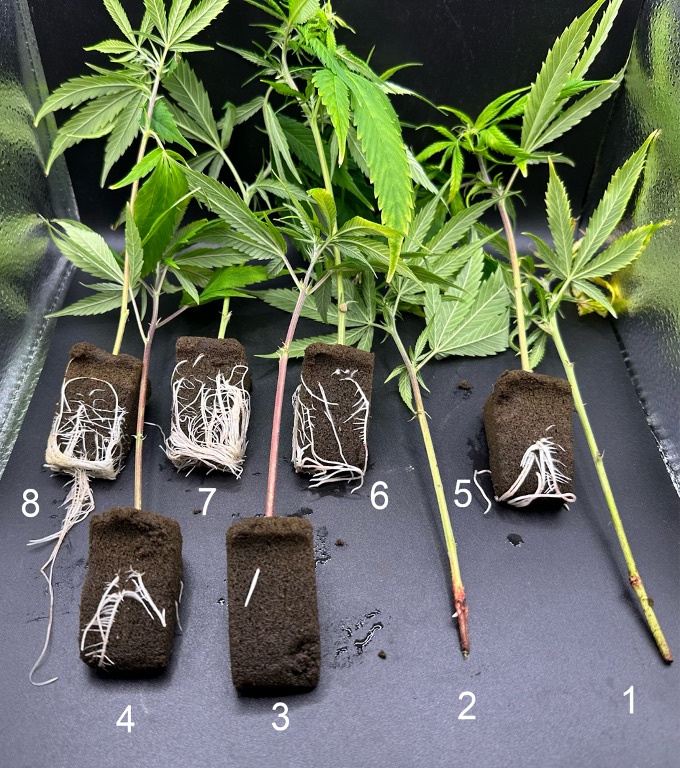
Research photographs by Matthew Weingarten from the peer-reviewed study.
A multi-experiment study compared aeroponic, rockwool, and horticultural-foam propagation systems across two cultivars, including transplant timing, spray intervals, reservoir nutrient concentrations, rooting, and controlled-environment performance.
Weingarten, M., Mattson, N., and Grab, H. MDPI Plants, Vol. 13, No. 9, 1256, 2024. Selected as an Editor's Choice article.
These structures show the organization of the work without presenting client data, confidential methods, or completed client outcomes.
Technical Report
From research question to recommendation.
Research question and decision context
Study design, controls, and measurements
Results, interpretation, and limitations
Recommendations and next-evidence requirements
Advisory Review
From current state to priorities.
Assessment and operating context
Risk and constraint identification
Priorities and decision sequence
Recommendations and review boundaries
Validation Path
From pilot signal to stronger evidence.
Pilot question and feasibility
Expanded controls and measurement depth
Technical reporting and claim boundaries
Scale, retest, adoption, or publication path
Confidentiality Boundary
Specific enough to decide. Protected by default.
Facility details, protocols, data, findings, relationships, and implementation plans remain private unless disclosure is explicitly approved. Public materials describe the standard and the structure, not protected client work.