
Research and Technical Notes

Public work for better biological decisions.

Peer-reviewed research and concise technical notes on experimental design, biological systems, evidence interpretation, and scientific communication.

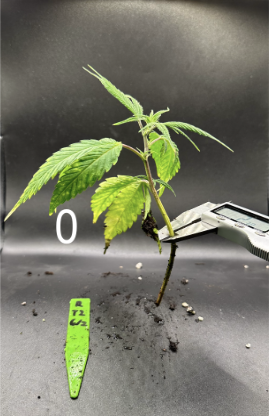
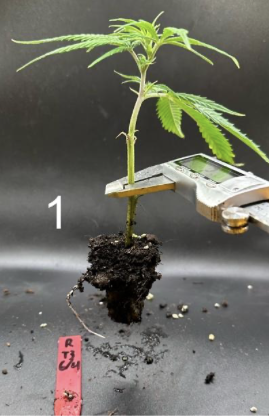
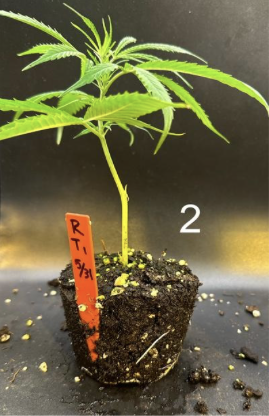
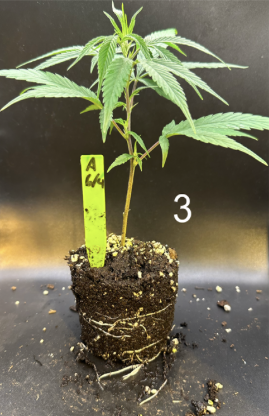
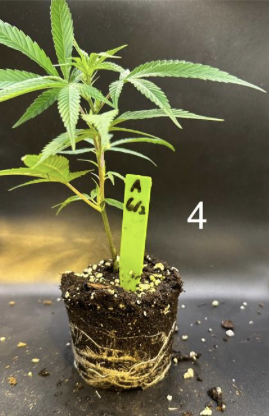
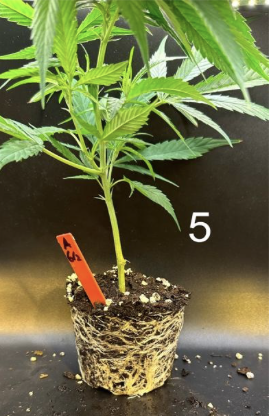
Initial Cannabis sativa propagation cutting prepared for measurement Cannabis sativa propagation cutting showing early root development Cannabis sativa propagation cutting with developing root architecture Cannabis sativa propagation roots arranged for comparative measurement Cannabis sativa rooted cutting documented during the comparison study Cannabis sativa propagation root system at the study measurement endpoint
Publication photographs by Matthew Weingarten from the peer-reviewed study.

Editor's Choice - Peer-Reviewed

Cannabis propagation research.

A multi-experiment study comparing aeroponic, rockwool, and horticultural-foam propagation systems across two cultivars, including transplant timing, spray intervals, reservoir nutrient concentrations, and controlled-environment performance.

Weingarten, M., Mattson, N., and Grab, H. MDPI Plants, Vol. 13, No. 9, 1256, 2024. DOI: 10.3390/plants13091256.

Read the publication

Illustrative Systems Profile

Context changes every operating range.

This retained visualization demonstrates how climate and root-zone targets may shift by crop stage. It is an illustrative research graphic, not a universal cultivation recommendation or facility setpoint.

Illustrative cannabis VPD and EC adjustment profile An illustrative animated chart compares example VPD and EC ranges across propagation, early vegetative, late vegetative, early flower, and late flower stages.

Research Design

Start with the decision and the comparison.

Decision First

A useful trial starts with the choice it must improve.

Define whether the work must support adoption, revision, retesting, scaling, publication, or rejection before measurements are selected.

Control Logic

The comparison determines what the result can mean.

Controls, treatments, experimental units, timing, site conditions, and failure criteria should be explicit before resources are committed.

Biological Systems

Interpret the response inside its context.

System Context

A signal is not proof until its surroundings are understood.

Cultivar, crop stage, climate, substrate, irrigation, labor, pest pressure, instrumentation, and measurement method can all shape the observed response.

Measurement Discipline

Collect the variables needed to explain the outcome.

Environmental, crop, root-zone, image, quality, workflow, and economic data should be selected for decision value, not volume.

Evidence and Interpretation

Separate findings from certainty.

Claim Boundary

Supported findings and market language are not the same thing.

Preliminary signals, unresolved variables, tested conditions, and review-sensitive language should remain visible before a claim is used publicly.

Next Evidence

A strong interpretation names what is still missing.

Retest conditions, additional controls, site replication, specialist review, or measurement improvements should be identified before confidence increases.

Technical Communication

Write for the decision without overstating the science.

Technical Reporting

A defensible report makes the reasoning inspectable.

Question, design, measurements, findings, limitations, recommendations, and next evidence should remain connected from beginning to end.

Publication Readiness

Publication structure begins before data collection.

Controls, replication logic, data hygiene, photography, figure planning, and interpretation standards determine whether strong work can support a white paper or manuscript pathway.

Research Path

Need stronger structure around the work?

Discuss the research