Publications & Evidence

Research behind the work.

The research presented here forms part of BIODIRECTIVE’s scientific foundation. Founder research is attributed to its original authors and institutions, separately from work commissioned through BIODIRECTIVE.

Editor's Choice · 2024 · Peer reviewed

How do propagation systems affect rooting?

Four experiments compared aeroponics, rockwool, and horticultural foam in two Cannabis sativa cultivars and examined transplant timing and aeroponic settings.

Aeroponics matched or exceeded the tested media for rooting and growth in the study. Responses depended on cultivar and sampling day; the findings do not establish performance for other crops.

Weingarten, M., Mattson, N., and Grab, H. MDPI Plants, Vol. 13, No. 9, 1256, 2024. Selected as an Editor's Choice article.

Open the publisher's article and complete Figure 15
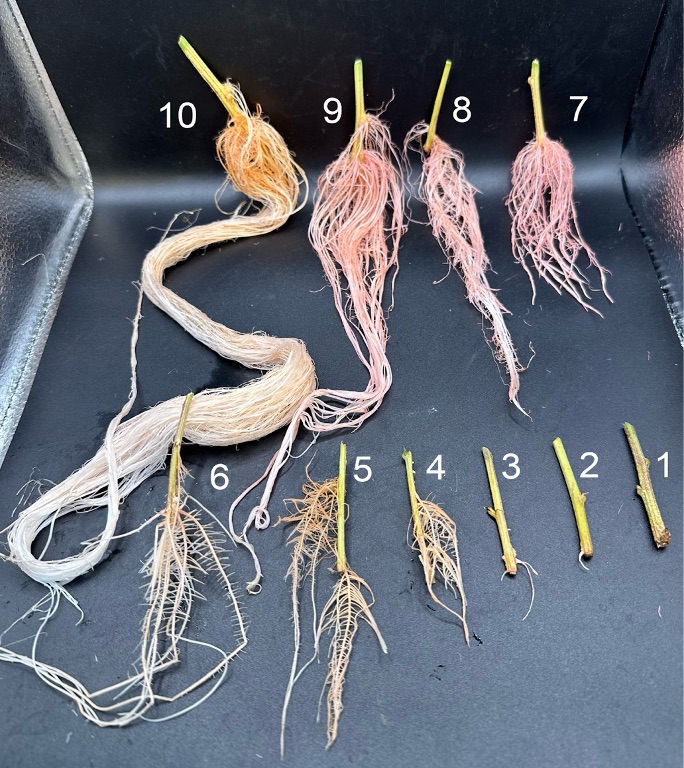
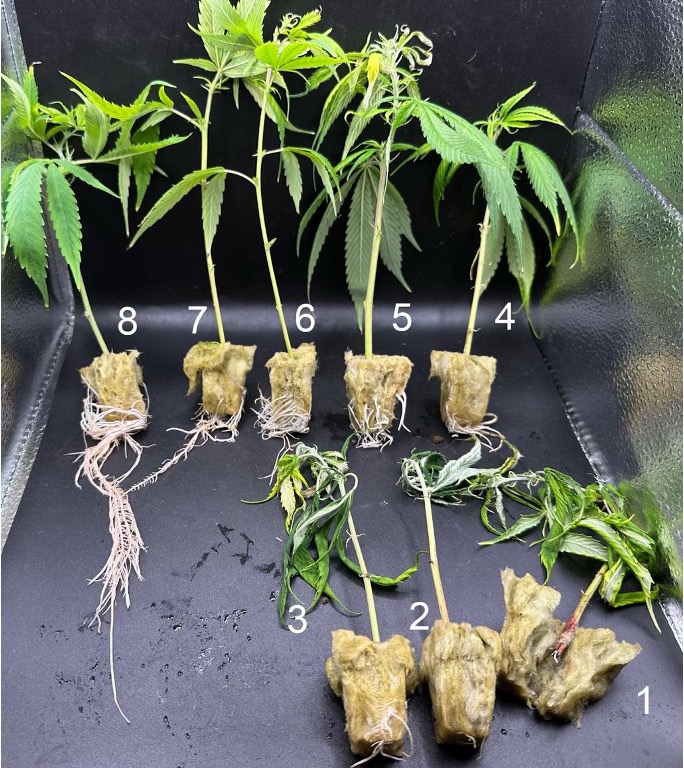
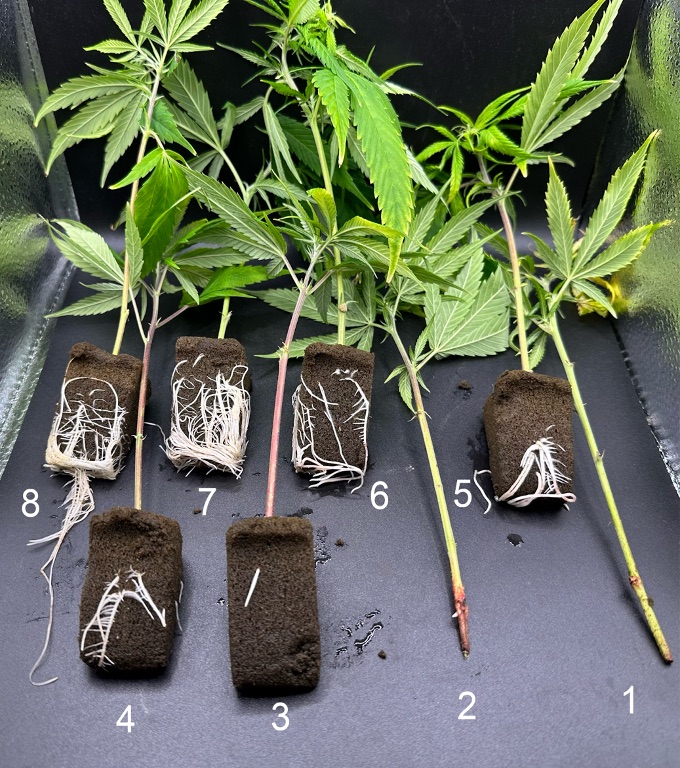
Aeroponic Cannabis sativa propagation roots from the peer-reviewed comparison study Aeroponic roots Rockwool-grown Cannabis sativa propagation roots from the peer-reviewed comparison study Rockwool-grown roots Horticultural-foam Cannabis sativa propagation roots from the peer-reviewed comparison study Horticultural-foam roots
The numbers are visual root-quality scores from Experiment 1, not elapsed days or measurements of root biomass. The original figure shows the scoring scales for each system. Image links open larger local copies.Research photographs by Matthew Weingarten. Source: Figure 15, Weingarten, M., Mattson, N., and Grab, H. (2024), Plants 13(9), 1256. © 2024 the authors. CC BY 4.0. Cropped and resized for display.

Selected research

Evaluating Engineered Wood Fiber Substrates for Indoor Cannabis sativa Production

V, D., Matthew Weingarten, Robert Harriman, Shane Hutto, and Neil Mattson. HortScience 61(11), 2334–2346, 2026.

The randomized block study asked how two engineered wood-fiber configurations compared with rockwool and a coir blend for indoor Cannabis sativa ‘White Widow’ under shared irrigation.

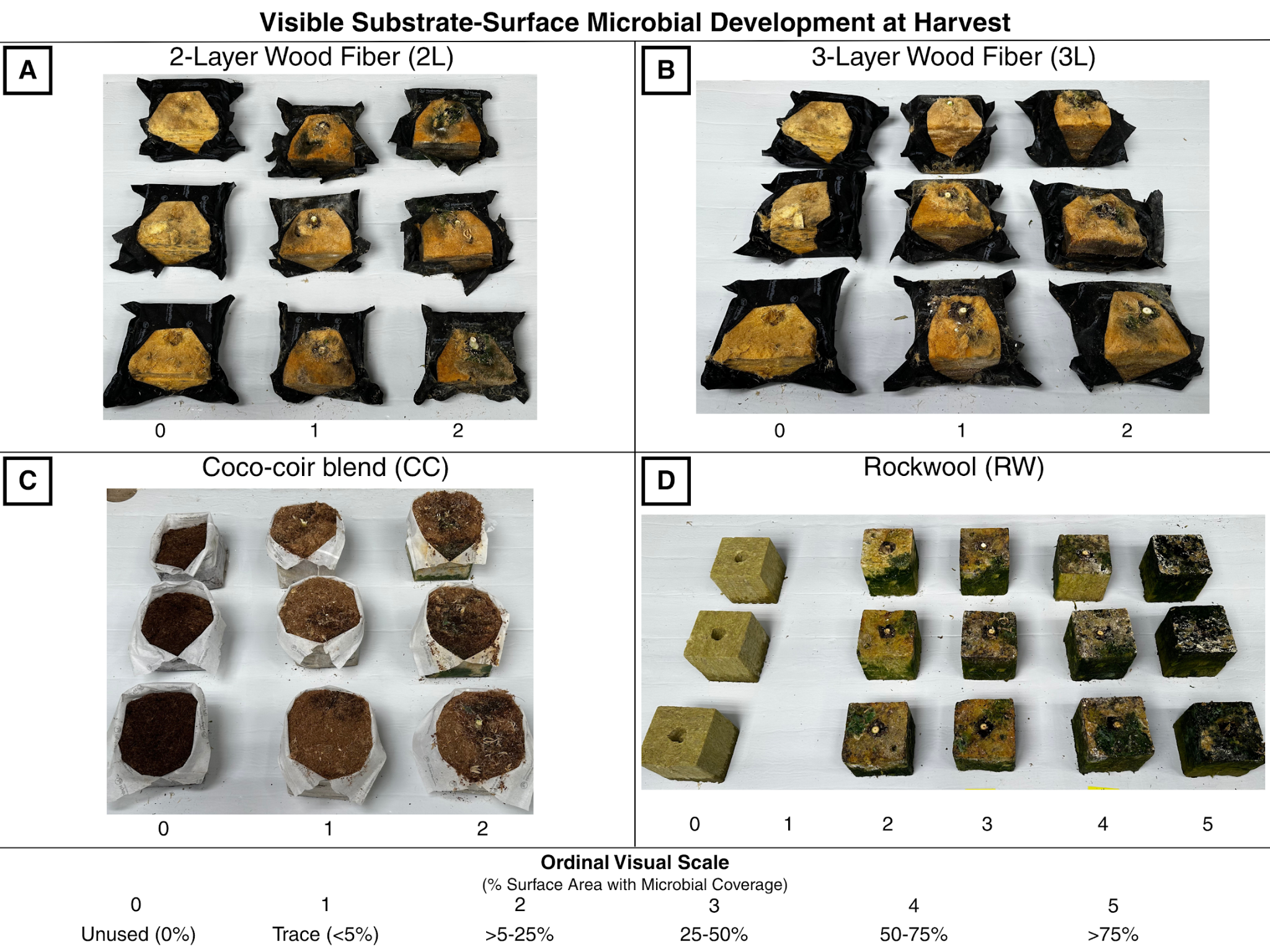
Results varied by endpoint. Rockwool scored higher on visible substrate-surface development than the other treatments under the tested conditions. The ordinal visual score did not measure microbial load, identity, viability, or flower compliance.

Read the HortScience article
Figure 1: four photo panels illustrate the visible surface coverage scale at harvest for two wood fiber configurations, a coco-coir blend, and rockwool. Open full-resolution Figure 1 (new tab)

Research photographs and microbial surface assessment by Matthew Weingarten.

Author's original. First published as Figure 1 in HortScience (2026). The images illustrate an ordinal assessment of visible substrate-surface coverage, not microbial load, identity, viability, or flower compliance.

Read the scoring key

Panels A and B show two-layer and three-layer engineered wood fiber, respectively; C shows the coco-coir blend and D shows rockwool. The published caption defines the visual coverage scores as 0, unused reference; 1, trace (<5%); 2, >5–25%; 3, >25–50%; 4, >50–75%; and 5, >75%.

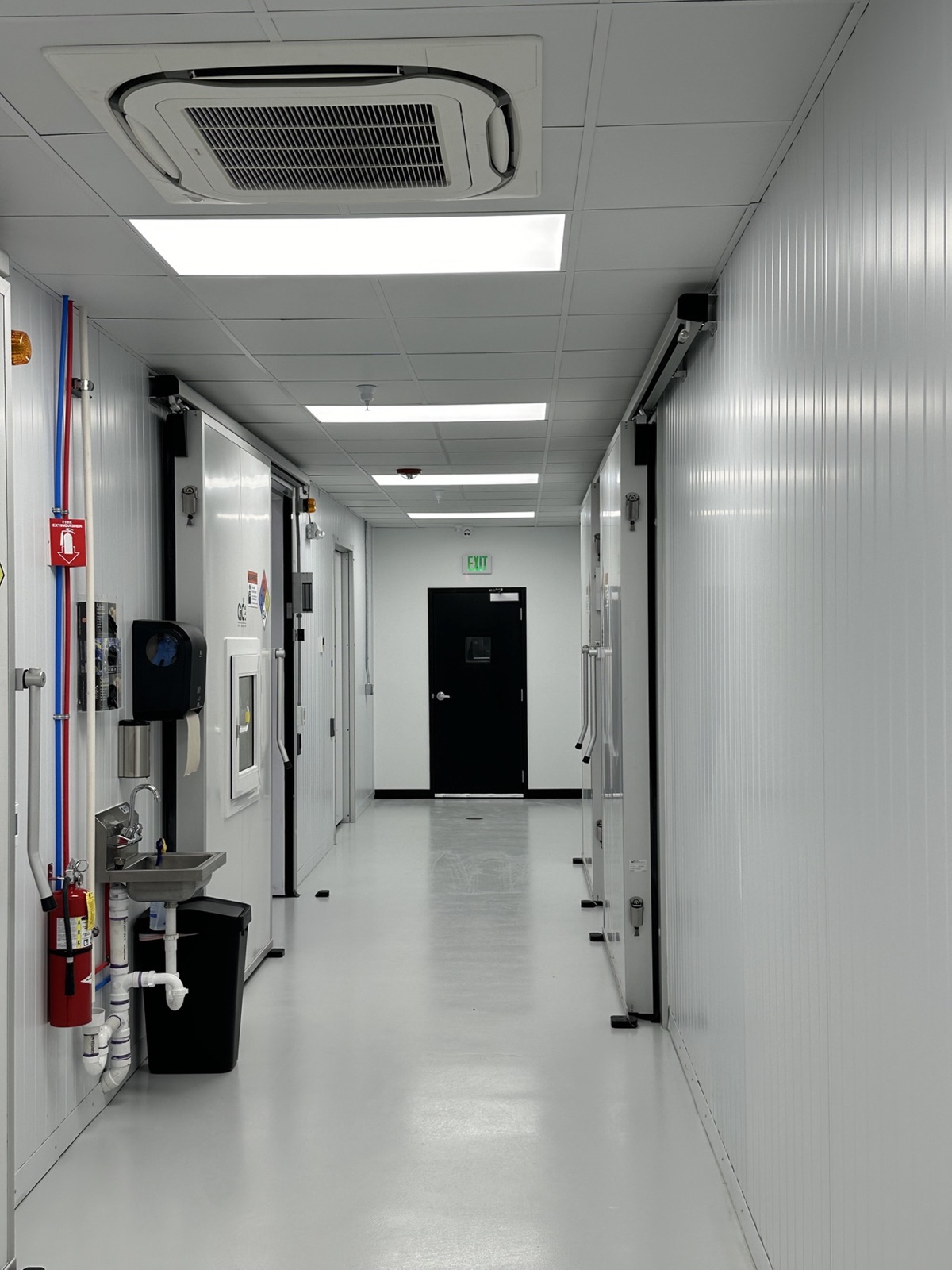
Clean controlled-environment facility corridor with production room doors, sanitation station, and compliance infrastructure

Confidentiality Boundary

Specific enough to decide. Protected by default.

Facility details, protocols, data, findings, relationships, and implementation plans remain private unless disclosure is explicitly approved. Public materials describe the standard and the structure, not protected client work.

View example deliverables

Review website and submission boundaries

Responsible Use

Evidence should travel only as far as it can support.

Technical Decisions

Use findings within the tested context.

Methods, measurements, site conditions, and limitations remain visible in the interpretation.

Buyer and Investor Review

Make confidence inspectable.

Approved summaries distinguish supported findings from uncertainty and additional validation needs.

Specialist Boundaries

Route higher-stakes claims appropriately.

Legal, regulatory, engineering, crop-protection, clinical, and health-context questions remain in qualified review channels.

Evidence Review

What must the evidence help you decide?

Discuss the evidence